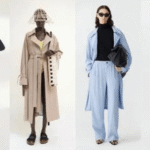
Most people end the workday and want one thing first. Out of office clothes, into something that does not feel like a uniform. The shift from blazer to T-shirt used to be a sharp line. It is no longer that simple. People now want pieces that carry them from a late meeting to dinner without a full outfit reset. Pieces that look chosen. Pieces that feel like them.
Off the Clock Look fills that gap. Look for a wardrobe you reach for when you are done answering emails but still want to feel pulled together. Think of it as a bridge between your work self and your weekend self. The clothes feel easy without looking careless. The right after-hours wardrobe gives you flexibility. It works for a casual dinner, a friend’s place, an unplanned evening out, and the odd date if you can change in time.
Building a wardrobe takes more thought than grabbing whatever is clean. The pieces have to work hard. They need to layer. They need to mix with what you already own. They need to feel different from your suits without looking like you raided a teenager’s closet. That balance is what most people miss when they shop in a hurry. They buy comfortable things that look sloppy or stylish things that feel tight. Neither option holds up across long evenings when you want to feel both relaxed and present.
Start With the Foundations
Every solid wardrobe has a spine. For after-hours dressing, that means well-cut T-shirts in plain colours, soft trousers that are neither jeans nor joggers, a simple knit jumper, and comfortable shoes that sit between formal and gym wear. These pieces do most of the heavy lifting. Get them right and the rest is easier. Buy two or three of each instead of ten different colours. You will wear the basics far more often than the statement pieces. People often skip this step and head straight for the loud items, then wonder why their wardrobe feels stuck.
Pick Fabrics That Forgive
Stiff fabrics announce you have just come from work. Linen, cotton, soft wool blends, and brushed cottons read differently. They have a slight slouch. They wrinkle in ways that look intentional rather than careless. The texture of what you wear off duty signals a different mindset. People notice the fabric before they notice the cut. Stay away from anything that holds a hard crease or feels like it needs ironing every time you sit down. The whole point of after-hours dressing is that the clothes move with you, not against you.
Add One Personal Element
A pair of unusual socks. A watch with character. A vintage jacket from a charity shop. You want something that signals this wardrobe belongs to you rather than to a catalogue page. Personal touches stop your after-hours look from feeling like a costume. Pick the elements that fit the way you actually live, not the way you wish you lived. The most stylish people pick one or two signatures and stick with them. Trying to add a personal touch to every outfit gets exhausting and usually backfires. One small detail goes a long way.
Avoid the Activewear Trap
Joggers and hoodies are easy. They are also the lazy default. Wearing them outside of the gym signals you have given up on getting dressed. Save activewear for actual movement. For evenings out, you want pieces that have some structure but still feel soft against the skin. A French terry sweatshirt has structure. A baggy hoodie does not. The difference is bigger than people think.
Think About Footwear Carefully
Matching footwear is important as it ties the rest of the outfit together. The wrong shoes can wreck a good look faster than anything else you wear. Loafers, suede slip-ons, low-profile trainers in muted colours, or a clean pair of chukka boots. These give you range. Stay away from anything that looks freshly out of a sports bag. If you can only spend money on one upgrade for your off-duty wardrobe, make it the shoes. Everything else benefits.
Build the Wardrobe Slowly
Resist the urge to buy everything in one weekend. Add pieces over months. Notice what you reach for and what sits unworn at the back of the drawer. Adjust as you go. The wardrobe that fits you will reveal itself if you pay attention. A wardrobe built in a month rarely lasts past the season it was bought in. A wardrobe built over a year tends to hold up because every piece earned its spot. Patience pays off here more than budget does.
See also: The Impact of IoT on Everyday Life
Edit More Than You Buy
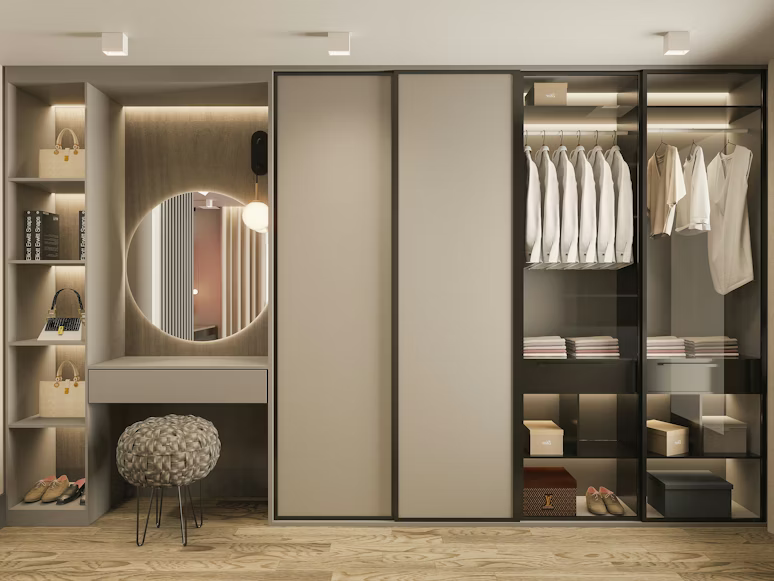
Most people have more clothes than they need. The fix is not always more shopping. Sometimes it is removing what does not work. Pull everything out of your wardrobe. Try things on. Be honest about what fits, what suits you, and what you wear out of habit rather than choice. The right after-hours wardrobe is small and reliable. You should know exactly what to wear most evenings without staring at the rail for ten minutes.