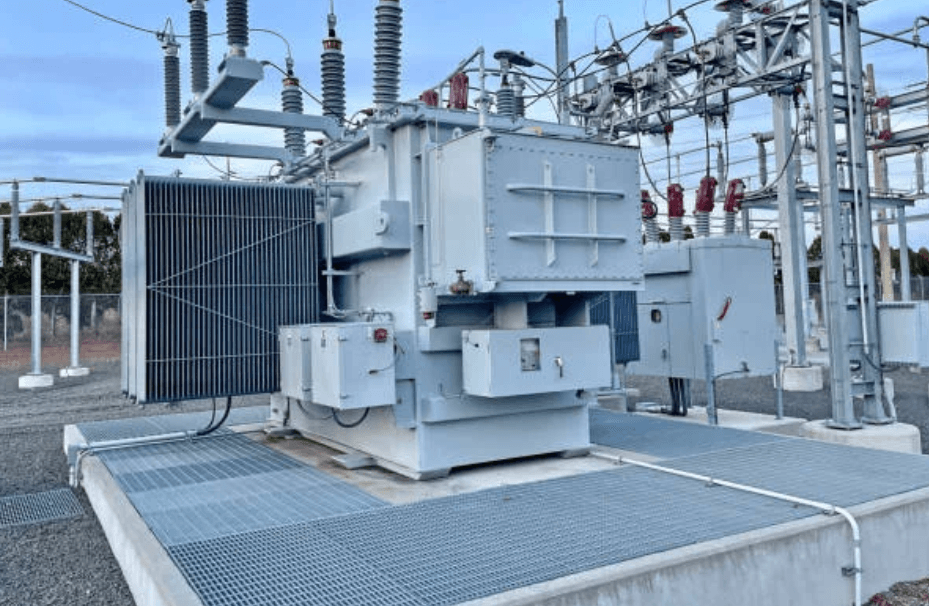
Electrical systems today are more complex than ever, supporting sensitive electronics, industrial machinery, and large-scale power distribution networks. With this complexity comes a higher need for stability, fault control, and protection against electrical disturbances. One device that plays a crucial role in achieving this is the zigzag transformer.
A reliable zigzag transformer is specifically designed to improve grounding performance, manage unbalanced loads, and enhance overall electrical system protection. It is widely used in power distribution networks, industrial facilities, and critical infrastructure where safety and stability are essential.
This article explains how zigzag transformers work, why they are used, and how they strengthen electrical system protection in modern applications.
Understanding a Zigzag Transformer
A zigzag transformer is a special type of transformer designed primarily for grounding and system stabilization rather than voltage transformation between supply and load.
What Makes It “Zigzag”?
The name comes from the way its windings are arranged. Instead of conventional straight winding connections, each phase winding is split and interconnected in a zigzag pattern across phases.
This unique arrangement allows the transformer to:
- Create a stable neutral point
- Balance unbalanced loads
- Suppress harmonic distortion
- Improve fault current handling
Primary Purpose of a Zigzag Transformer
Unlike standard transformers, a zigzag transformer is mainly used to:
- Provide effective grounding in systems without a neutral
- Stabilize voltage under unbalanced conditions
- Improve system safety and fault protection
Why Electrical System Protection Is Important
Modern electrical systems face constant risks that can affect performance and safety.
Common Electrical Issues
Power systems may experience:
- Ground faults
- Voltage imbalance
- Harmonic distortion
- Phase instability
- Equipment overload
Without proper protection, these issues can lead to:
- Equipment failure
- System downtime
- Fire hazards
- Reduced power quality
Role of Protective Devices
Devices like zigzag transformers help:
- Control fault currents
- Maintain system stability
- Improve safety margins
- Protect sensitive equipment
How a Zigzag Transformer Works
The working principle of a zigzag transformer is based on magnetic flux cancellation and phase interconnection.
Basic Operating Principle
- Each phase winding is split into two equal parts
- These windings are connected across different phases in a zigzag pattern
- Under normal conditions, currents cancel out
- During faults or imbalance, a neutral point is created
- Fault currents are safely directed to ground
Neutral Creation Function
One of the most important features is its ability to create an artificial neutral point in systems that do not naturally have one. This is essential for:
- Ground fault detection
- Voltage stabilization
- System protection coordination
Key Protection Benefits of Zigzag Transformers
A reliable zigzag transformer enhances electrical protection in several important ways.
Ground Fault Limitation
Zigzag transformers help:
- Provide a low-impedance path for ground faults
- Reduce fault severity
- Prevent damage to equipment
Improved Fault Detection
By creating a neutral point, the system can:
- Detect single-line-to-ground faults easily
- Trigger protective relays faster
- Isolate faulty sections efficiently
Reduced Equipment Stress
Controlled fault currents mean:
- Less thermal stress on conductors
- Reduced mechanical stress on equipment
- Longer system lifespan
Voltage Stabilization and Power Quality Improvement
Voltage stability is essential for sensitive electrical systems.
Handling Unbalanced Loads
In real-world systems, loads are rarely perfectly balanced. Zigzag transformers help by:
- Redistributing imbalance across phases
- Reducing voltage fluctuations
- Maintaining steady output levels
Reducing Harmonics
Electrical harmonics can damage equipment and reduce efficiency. Zigzag transformers:
- Suppress zero-sequence harmonics
- Improve waveform quality
- Enhance system efficiency
Applications of Zigzag Transformers
Zigzag transformers are used in many environments where system protection is critical.
Power Distribution Networks
Utilities use them to:
- Provide grounding for delta systems
- Improve fault protection
- Stabilize distribution networks
Industrial Facilities
Factories and plants rely on them for:
- Heavy machinery protection
- Motor load balancing
- Electrical system stability
Renewable Energy Systems
In solar and wind installations, they help:
- Manage variable output
- Stabilize grid connection
- Improve power quality
Data Centers and Hospitals
Critical environments benefit from:
- Stable voltage supply
- Reduced electrical noise
- Enhanced system reliability
Types of Zigzag Transformer Configurations
Different configurations are used depending on system requirements.
Grounding Zigzag Transformer
This is the most common type used for:
- Neutral creation
- Ground fault protection
- System stabilization
Isolation Zigzag Transformer
Used to:
- Separate electrical systems
- Reduce noise interference
- Improve safety isolation
Harmonic Mitigation Zigzag Transformer
Designed specifically to:
- Reduce harmonic distortion
- Improve waveform quality
- Enhance efficiency in sensitive systems
Safety Advantages of Zigzag Transformers
Safety is one of the most important reasons for using zigzag transformers.
Controlled Fault Currents
They ensure that:
- Fault currents remain within safe limits
- Protective devices can operate effectively
- Equipment damage is minimized
Improved Grounding Protection
By providing a stable grounding reference, they:
- Reduce shock hazards
- Improve system reliability
- Enhance safety for maintenance personnel
Installation Considerations
Proper installation is essential for optimal performance.
System Compatibility
Before installation, engineers must ensure:
- Correct voltage rating
- Suitable load conditions
- Compatibility with existing grounding system
Proper Grounding Design
A well-designed grounding system ensures:
- Efficient fault current handling
- Stable neutral point creation
- Safe operation under all conditions
Location and Environment
Transformers should be installed in:
- Well-ventilated areas
- Dry and protected environments
- Accessible locations for maintenance
Maintenance and Long-Term Reliability
Regular maintenance ensures continued performance and safety.
Routine Inspection
Technicians check:
- Winding condition
- Connection tightness
- Insulation integrity
Thermal Monitoring
Monitoring temperature helps:
- Prevent overheating
- Maintain operational efficiency
- Extend equipment lifespan
Preventive Maintenance
Includes:
- Cleaning components
- Testing grounding connections
- Verifying protection systems
Advantages of Using a Reliable Zigzag Transformer
A high-quality zigzag transformer offers multiple long-term benefits.
Enhanced System Stability
It ensures:
- Balanced voltage distribution
- Reduced fluctuations
- Stable electrical performance
Improved Equipment Protection
It protects:
- Transformers
- Motors
- Sensitive electronics
Better System Efficiency
By reducing losses and improving balance, it contributes to:
- Lower energy consumption
- Reduced operational costs
- Improved overall efficiency
Future Role of Zigzag Transformers in Power Systems
As electrical systems evolve, zigzag transformers will continue to play a key role.
Integration with Smart Grids
Future systems will include:
- Real-time monitoring
- Automated fault detection
- Intelligent load balancing
Improved Materials and Design
Advancements will bring:
- Higher efficiency cores
- Better insulation materials
- Compact and optimized designs
Increased Renewable Integration
They will support:
- Solar grid stabilization
- Wind energy systems
- Hybrid power networks
See also: Fashion Brands Embracing Sustainability
Final Thoughts
A reliable zigzag transformer is an essential component for enhancing electrical system protection. Its ability to create a stable neutral point, manage ground faults, reduce harmonics, and balance unbalanced loads makes it a valuable solution in modern power systems.
From industrial facilities to utility grids and renewable energy installations, zigzag transformers improve safety, reliability, and efficiency. As electrical networks become more complex, their role in ensuring stable and secure power distribution will only grow.
In essence, zigzag transformers are not just protective devices—they are stability enhancers that strengthen the foundation of modern electrical infrastructure.