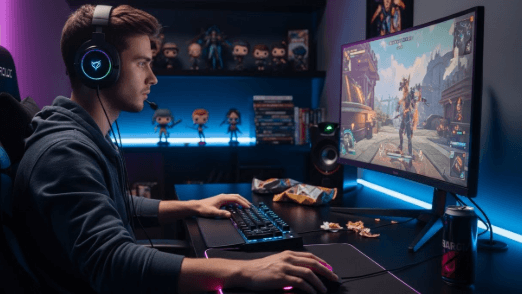
The gaming industry has transformed dramatically over the years, becoming one of the most influential forms of entertainment worldwide. Players today expect immersive experiences, engaging gameplay, and entertainment that fits into increasingly busy lifestyles. Among major gaming categories, Nintendo games continue maintaining strong popularity because of their accessibility, creativity, and broad audience appeal.
Gaming has evolved beyond simple recreation. Modern players often use games as a way to relax, socialize, compete, and explore creative digital environments. As technology advances, gaming continues becoming a larger part of everyday entertainment culture.
Consumers now seek gaming experiences that combine quality, convenience, and long-term engagement.
The Evolution of Gaming Entertainment
Gaming technology has developed rapidly over the past decade.
Several major developments have influenced player expectations:
- Improved graphics performance
- Enhanced portability
- Larger game libraries
- Expanded online features
- Greater multiplayer experiences
These improvements have transformed gaming into a mainstream entertainment industry that appeals to multiple generations.
Gaming now reaches audiences of all ages.
From casual players to highly engaged gaming enthusiasts, demand continues growing globally.
Why Gaming Continues Growing Worldwide
The gaming industry continues expanding because entertainment preferences continue changing.
Several factors contribute to long-term growth.
Accessibility Across Different Age Groups
Modern gaming attracts:
- Children
- Teenagers
- Adults
- Families
Game developers increasingly create experiences designed to appeal to broad audiences.
This accessibility supports long-term industry growth.
Greater Variety of Content
Players increasingly value diverse entertainment experiences.
Popular gaming categories often include:
- Adventure titles
- Racing games
- Sports simulations
- Puzzle experiences
- Strategy gameplay
Content diversity helps maintain player engagement.
Flexible Entertainment Options
Consumers increasingly prioritize convenience.
Modern gaming allows users to enjoy entertainment:
- At home
- During travel
- During leisure breaks
- In social environments
Flexibility strongly influences gaming preferences.
Why Game Selection Matters for Players
Game availability significantly affects gaming decisions.
Consumers frequently evaluate platforms based on content variety.
Replay Value and Long-Term Engagement
Players often seek experiences that provide lasting enjoyment.
Several factors influence long-term engagement:
- Gameplay quality
- Story progression
- Content updates
- Replay opportunities
Entertainment value remains an important purchasing factor.
Social Gaming Experiences
Gaming increasingly supports social interaction.
Modern gaming communities help players:
- Connect with friends
- Participate in multiplayer experiences
- Share gaming achievements
Social engagement strengthens entertainment value.
Family-Friendly Entertainment Demand
Many households prefer entertainment suitable for multiple age groups.
Gaming experiences designed for broad audiences continue attracting consumers seeking family entertainment options.
Technology Continues Changing Gaming Experiences
Innovation remains central to gaming development.
Several technology trends continue influencing player expectations.
Improved Digital Access
Consumers increasingly discover entertainment digitally.
Online access simplifies game exploration and purchasing decisions.
Enhanced Gaming Performance
Modern players expect:
- Faster loading experiences
- Smooth gameplay
- Reliable performance
Technology improvements continue raising industry standards.
Personalization Features
Gaming increasingly adapts to player preferences.
Customization options support stronger engagement and satisfaction.
Consumers exploring entertainment options can discover more gaming experiences through nintendo games and gaming selections suited to different interests.
Consumer Trends Influencing Gaming Growth
Several trends continue shaping entertainment industries.
Lifestyle Integration
Gaming increasingly becomes part of everyday routines.
Consumers often use gaming for:
- Relaxation
- Entertainment
- Social interaction
Lifestyle integration continues strengthening industry growth.
Increased Demand for Interactive Entertainment
Modern consumers increasingly value participation rather than passive entertainment.
Interactive experiences continue driving gaming expansion.
Digital Entertainment Expansion
Digital entertainment options continue becoming increasingly important.
Gaming remains central to this long-term trend.
The Future of Gaming Entertainment
The gaming industry continues evolving rapidly.
Several trends may influence future development.
Greater Cross-Platform Experiences
Consumers increasingly expect entertainment flexibility.
Gaming experiences continue becoming more connected across devices.
Continued Innovation
Future development may focus on:
- Improved accessibility
- Enhanced personalization
- Expanded social features
Innovation continues supporting long-term growth.
Expanding Gaming Communities
Gaming communities continue strengthening global player engagement.
Social interaction remains increasingly valuable.
See also: Commercial Shop Fitout Painting Sydney with Precision and Detail
Why Gaming Remains an Important Entertainment Category
Gaming continues attracting global audiences because it combines entertainment, interaction, creativity, and convenience.
Several strengths contribute to ongoing popularity:
- Broad audience appeal
- Diverse content options
- Strong entertainment value
- Flexible accessibility
Modern entertainment trends continue supporting gaming industry growth.
Frequently Asked Questions
1. Why do gaming platforms continue growing in popularity?
Improved technology, convenience, and expanding entertainment options continue driving growth.
2. Why is game variety important for players?
Content diversity helps support stronger long-term engagement and broader audience appeal.
3. How has technology changed gaming experiences?
Technology improvements continue enhancing performance, accessibility, and player engagement.
Conclusion
Gaming continues evolving as one of the world’s most influential entertainment industries. Accessibility, convenience, and diverse experiences remain important drivers behind long-term growth. As player expectations continue changing, gaming platforms that emphasize innovation, quality experiences, and audience engagement are likely to remain highly relevant within modern entertainment culture.